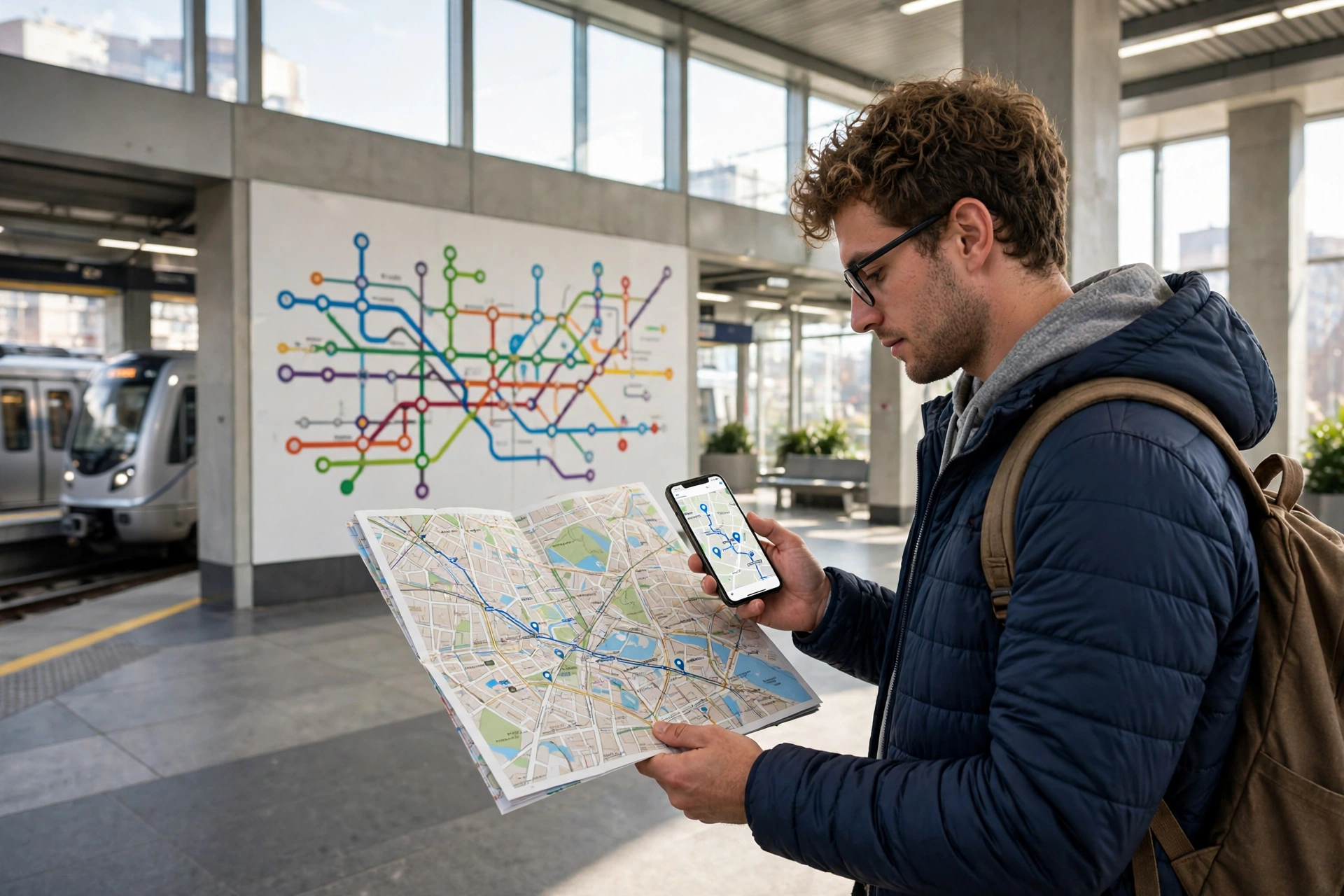
You step off the train, bag on your shoulder, map still loading, and the city opens up in front of you — busy streets, unfamiliar signs, and the feeling that every good experience must cost money. It does not. Some of the best first days in a new place cost nothing: a riverside walk at sunset, a busy local market, a viewpoint you reach on foot. The trick is not luck. It is knowing where to look, what to ask, and how to tell a genuinely free experience from one that only looks free.
This guide gives you a practical method for almost any city, whether for a weekend or a longer stay on a tight budget.
Start With the City’s Own Free Sources
Before you search social media or travel blogs, check the sources that exist to help visitors for free. Most cities — large and small — have an official tourism website, a visitor centre, or a local council events page. These are usually the most reliable places to find free walking tours, public festivals, open-air concerts, exhibitions, and seasonal events.
Libraries are another overlooked starting point. Many run free talks, exhibitions, and local-history displays, and their noticeboards often list community events that never appear on travel websites. Universities can be useful too: public lectures and campus galleries are often open to visitors, though booking may be needed.
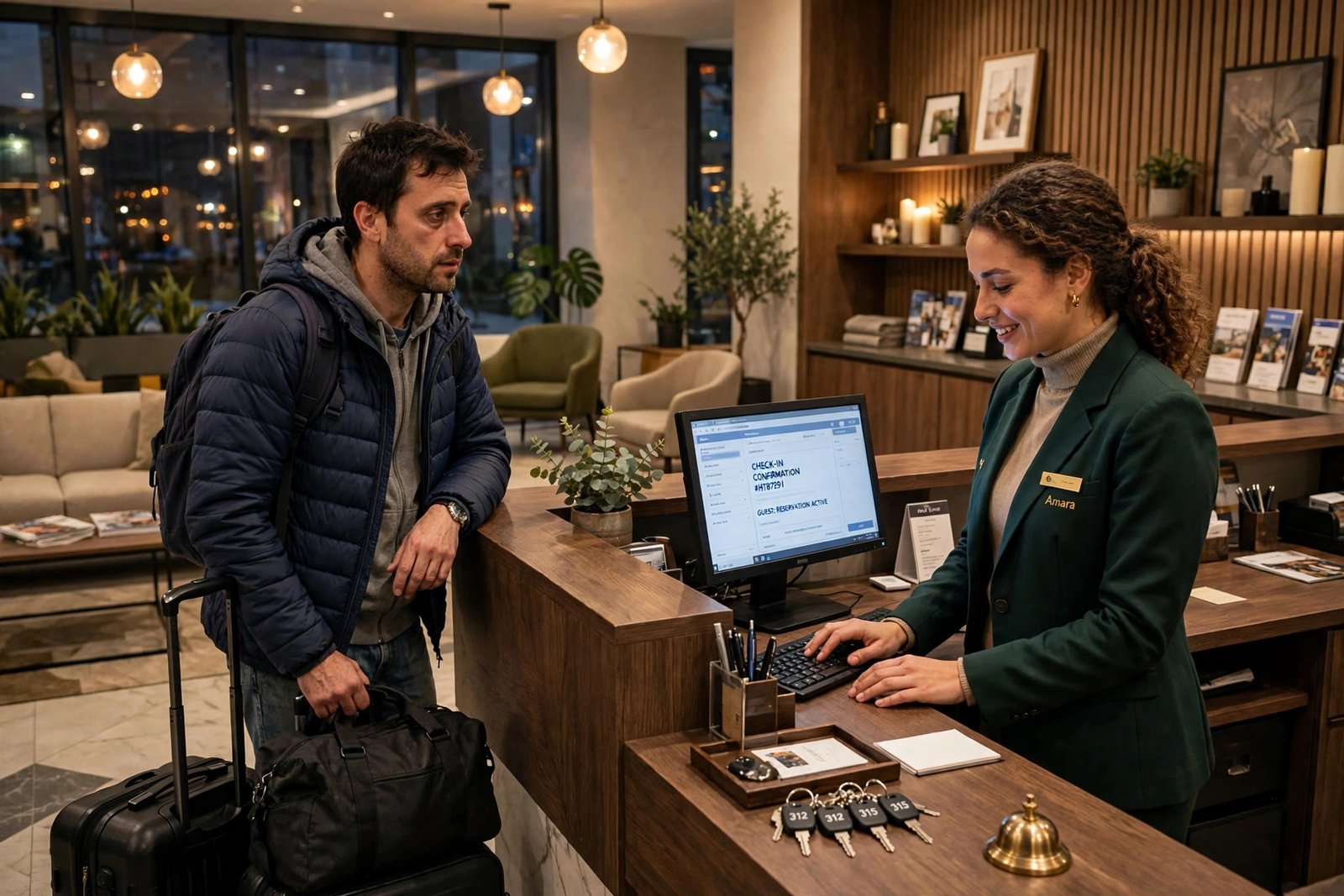
When you arrive, ask a real person as well. Hotel staff, hostel receptionists, café workers, and librarians usually know what is free this week, not just what is famous all year. A simple question — “What would you do here today if you did not want to spend anything?” — often brings better answers than any search result.
Learn the Main Categories of Free Experiences
Free things tend to fall into the same few categories, and once you know them, you can spot them quickly in any city.
Outdoor places: Public parks, beaches, riverside paths, viewpoints, botanical gardens with free entry areas, and historic neighbourhoods you can explore on foot are free in most places. A walk through an old town, a market district, or along a waterfront often tells you more about a city than a paid attraction.
Culture and history: Many museums and galleries offer free permanent collections, free entry on certain days, or free evening opening hours. Churches, mosques, temples, and other places of worship are often open to respectful visitors, and civic buildings, memorials, and public art trails cost nothing to see from outside — and sometimes inside as well.
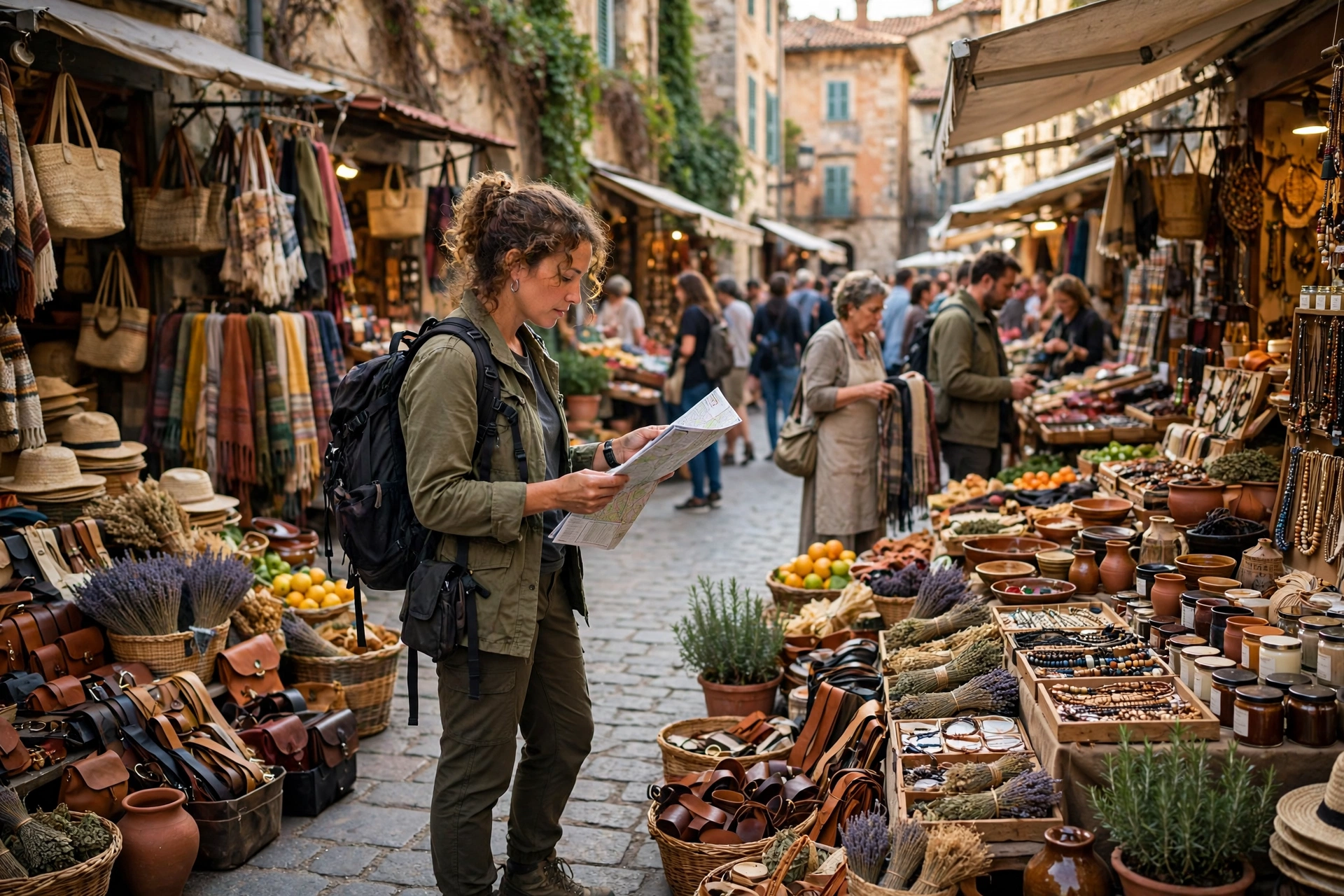
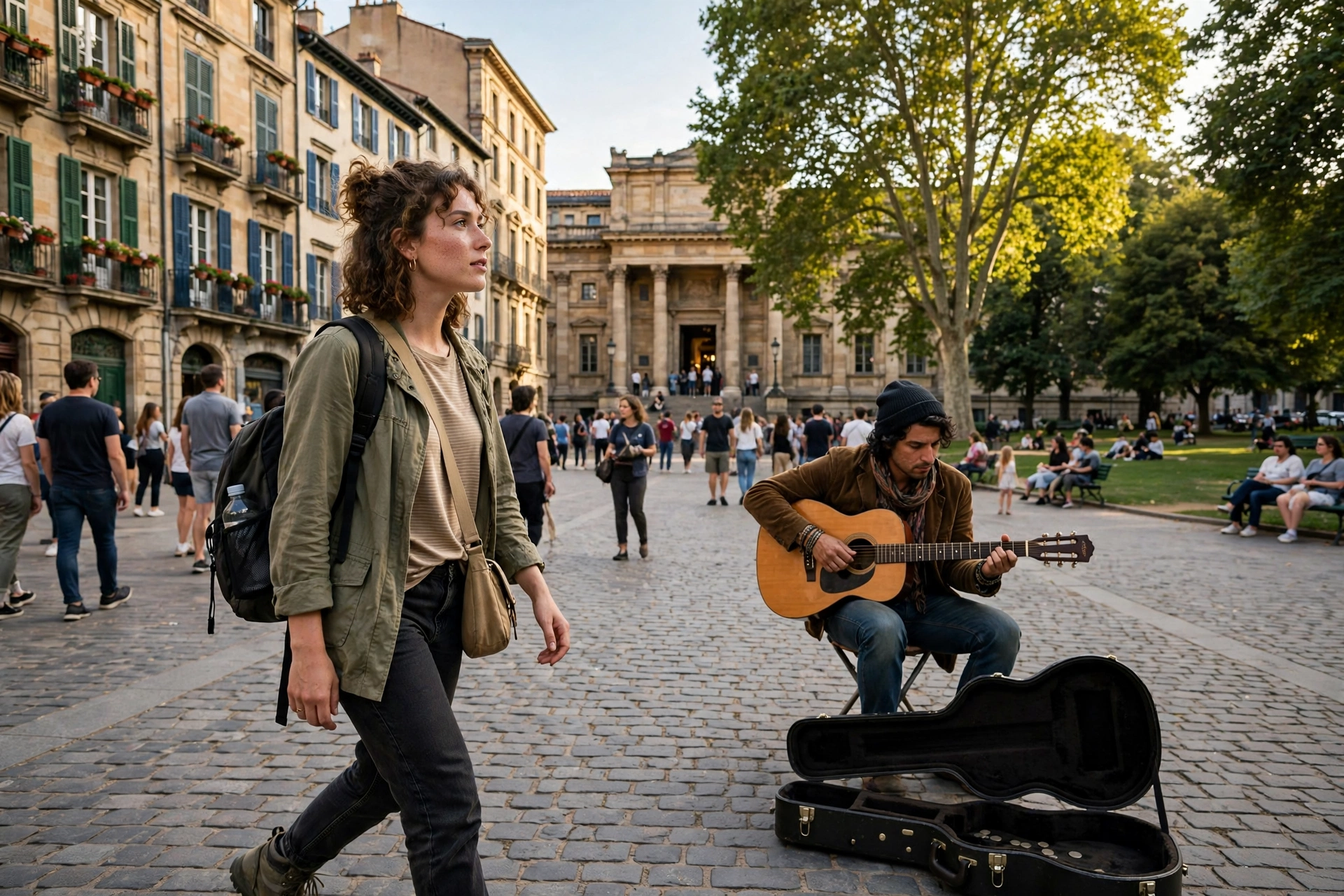
Events and everyday life: Free festivals, farmers’ markets, street performances, and public celebrations are part of daily life, not just tourist attractions. Visiting a market or watching a local game often gives you a better sense of how people actually live there than a ticketed sight.
Nature and views: Hills, coastal paths, lakes, and city viewpoints are often the cheapest way to understand a place’s geography. Plan these for good weather and daylight.
If you are planning a longer low-cost trip, the same budgeting mindset helps on the road too — for example, planning a weekend road trip on a budget starts with the same idea: decide what is free first, then spend only on what adds real value.
Use a Simple Three-Step Search Method
Instead of scrolling endlessly, try this short method when you arrive in a new city:
1. Search by category, not just by city. Try searches such as “free museums [city]”, “free events this weekend [city]”, and “free walking tour [city]”. Category searches surface practical results faster than a general search for things to do.
2. Check dates and opening hours on the official page. Free entry days, seasonal closures, and special events change often. A museum that is free on the first Sunday of the month may charge on other days, and a park event may move indoors in bad weather. Confirm the details on the venue’s own website or social page before you set out.
3. Build a shortlist, then walk it. Pick three or four free options that are close together rather than ten spread across the city. A compact walking route saves transport money, leaves room for spontaneous stops, and makes the day feel relaxed instead of rushed. Leave one gap in your plan for something you discover along the way — a street market, a free exhibition, or a viewpoint a local points out.
Watch Out for “Free” That Is Not Quite Free
Not everything labelled free costs nothing, and a little caution saves both money and frustration.
Free walking tours, for example, are usually tip-based. The guide works for tips, so you should expect to pay something if you enjoyed the tour — even if there is no fixed ticket price. That is still good value, but it is not the same as a completely free activity, so budget a small tip if you join one.
Some attractions advertise free entry but charge for special exhibitions, audio guides, or parking. Others are far from public transport, so the journey costs more than the saving. Before you commit, check the full cost: entry, transport, and anything you are likely to need once there.
Be careful, too, with “free” offers from strangers around busy tourist areas. A free bracelet, photo, or guided detour can come with pressure to pay afterwards. Polite, firm refusal keeps a free day genuinely free.
Put Together a Free Day That Still Feels Full
A good free day does not need to be packed. In fact, the best ones usually have a simple shape: one outdoor walk in the morning, one cultural stop in the middle of the day, and one relaxed evening experience.
Start with a walk through a neighbourhood that interests you, rather than the most famous street. Then visit one museum, gallery, or historic site with free entry, and give it real attention instead of rushing through several. Finish with a park, a waterfront, or a viewpoint at sunset, and a market where you can browse without buying.
If you want a concrete example of how free places can fill a day, look at how cities package their no-cost sights — for instance, the free places to visit in Liverpool show how parks, waterfront walks, museums, and historic streets can combine into a full day without a ticket. You do not need to copy that itinerary; use it as a reminder that free options work best when they are grouped by area and mixed between outdoor and indoor stops.
FAQs
Do I need to book free attractions in advance?
Sometimes, yes. Popular free museums and events may use timed tickets, especially on free-entry days. Check the official page and book if it offers a free reservation — it costs nothing and saves a wasted journey.
Are free things worth it, or are they just second-best?
Many free experiences are among a city’s best. Public parks, viewpoints, historic districts, and major museum collections are free because they are public goods, not because they are low quality. Judge each place on its own merits, not its price.
How can I find free events happening right now?
Check the city’s official events calendar, the local library, and community noticeboards, and ask at your accommodation. Event listings on social media can help, but always confirm time and place on an official source before travelling.
Is it safe to explore a new city on foot for free?
Walking is a normal way to explore most cities, but use the same care you would anywhere unfamiliar: stay in well-lit, busy areas after dark, keep valuables out of sight, and check local advice if you are unsure about a neighbourhood. If a free route takes you somewhere isolated, choose a busier alternative.
Final Thoughts
Finding free things to do in a new city is less about hunting for bargains and more about changing how you look at a place. Start with official sources, learn the main free categories, search by category and date, and build a short, walkable plan. Check the fine print on anything labelled free, leave room for discoveries, and mix outdoor walks with one good cultural stop.
You will not only spend less — you will often see the city more clearly, at its own pace, among the people who live there. That is the part of travel that no ticket can buy.