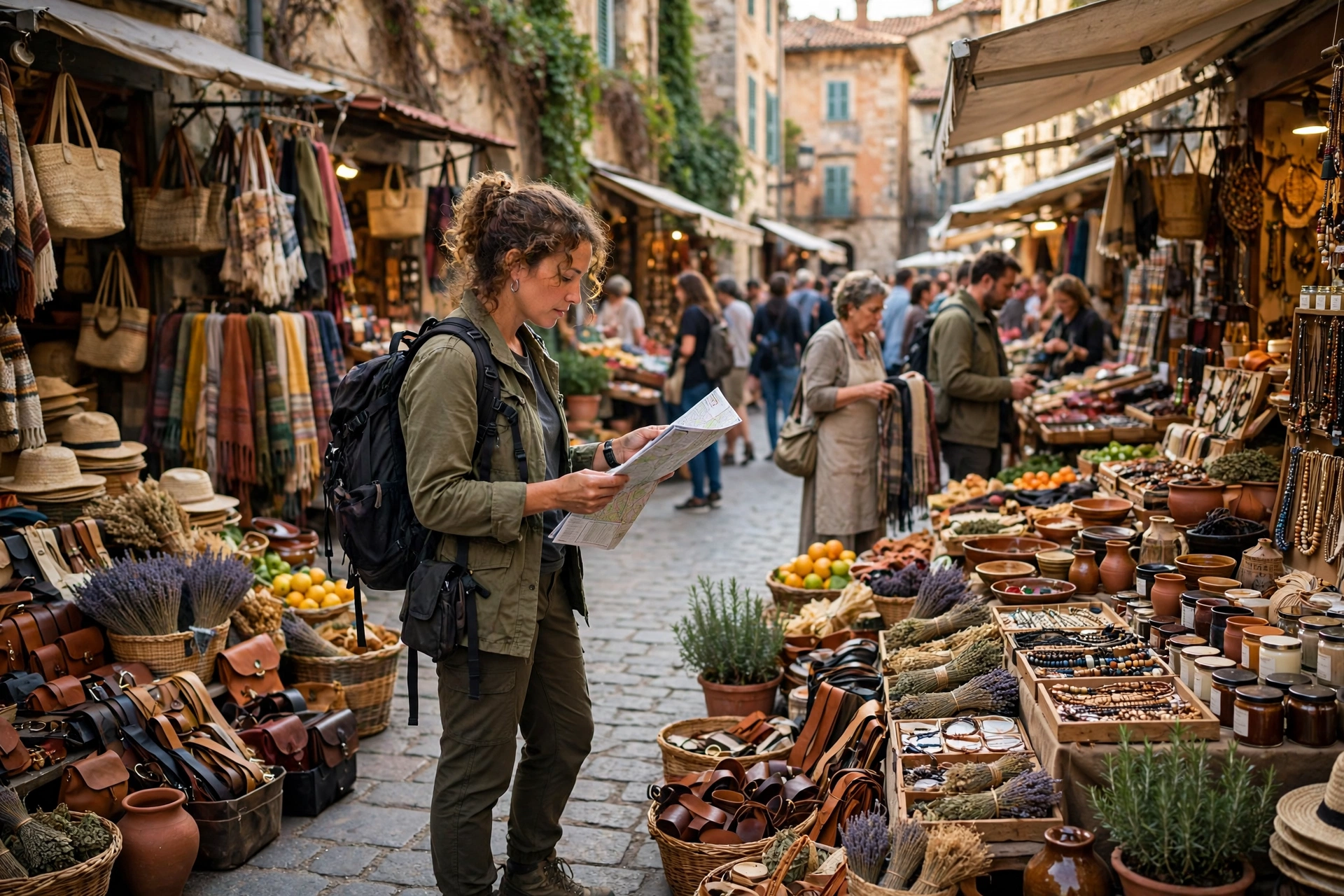
You are standing in your driveway on a Friday evening, bags by the door, a full tank in the car and two free days ahead of you. The idea is simple: get out of town, see somewhere new and come home on Sunday night without worrying about what you spent. That is exactly what a good budget road trip should feel like. It needs a spending limit you decide in advance, a destination close enough to keep fuel costs low, and a few small choices that stop costs from creeping up along the way.
This guide shows you how to plan a weekend road trip on a budget, step by step, so the trip stays fun from the first mile to the last.
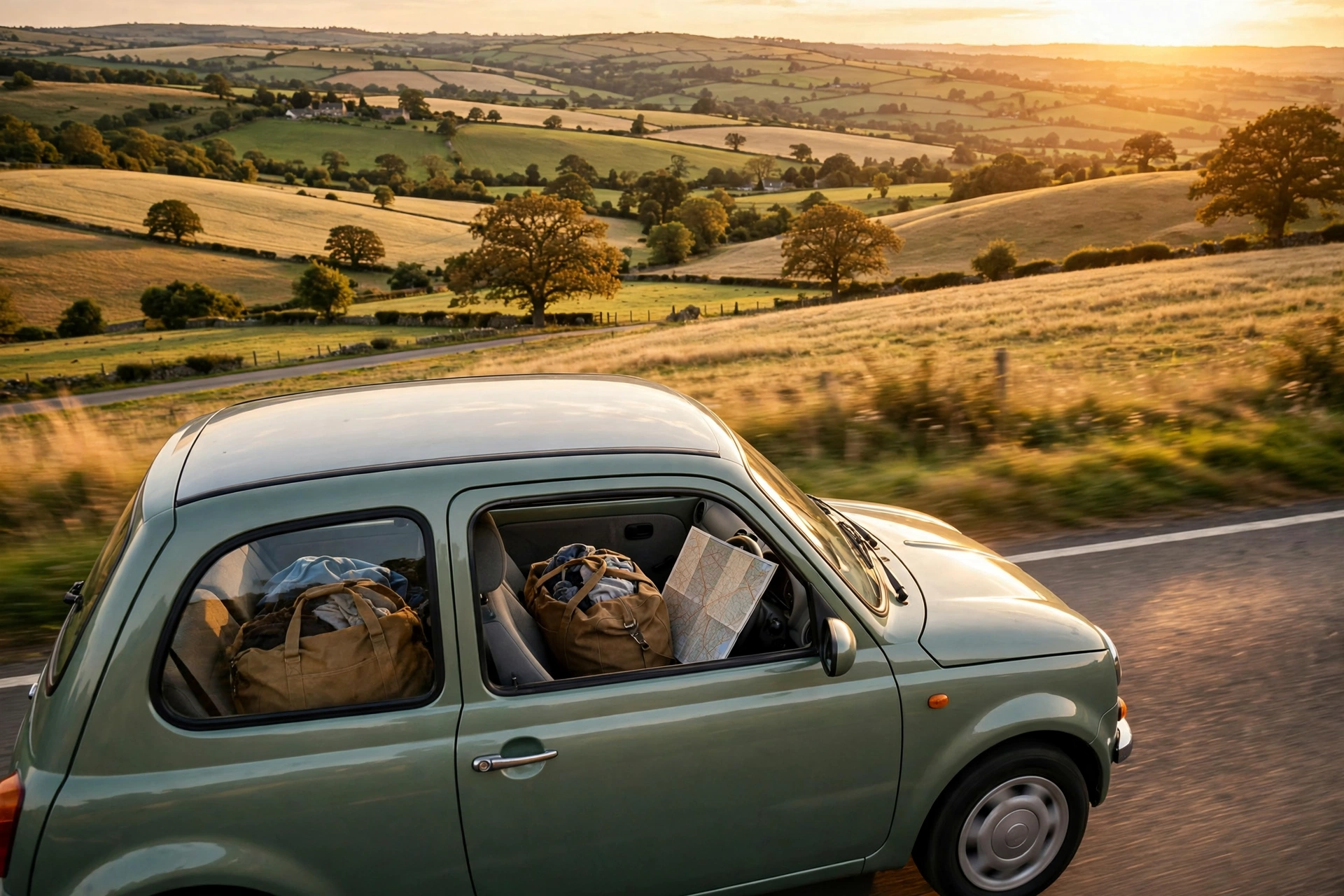
Set a Total Budget Before You Pick a Destination
Start with one number: the total amount you are happy to spend for the whole weekend. Everything else follows from it. Split that total into four parts: fuel, stay, food and activities. When you give each part its own limit, you can see straight away where the money is going, and one expensive meal or one long detour cannot quietly eat the rest of the weekend.
As an example only, a two-day trip for two people might be split into fuel, one night of stay, food and a small amount for activities. Write the four numbers down before you leave, keep receipts or note spending on your phone as you go, and check the totals on Saturday evening.
Pick a Destination Within Two to Three Hours’ Drive
Distance is the biggest hidden cost on a road trip. A town two hours away gives you two full days to enjoy once you arrive, while a five-hour drive each way turns the weekend into mostly driving and doubles your fuel bill. Look for somewhere you have not explored properly: a small town, a lake, a stretch of coast or a national park entrance within easy reach.
If you are still choosing a town, browsing places to visit in Sacramento this weekend shows how one town can fill two days with markets, parks and neighbourhood walks, without a long drive between each stop. The same test works anywhere: if a place offers enough to do within a short radius, it is a good budget destination. If everything worth seeing needs another hour in the car, keep looking.
Plan Your Driving Route to Keep Fuel Costs Down
Before you leave, map the route and check where fuel is cheapest along the way, rather than stopping at the first station near a motorway exit. Gentle, steady driving also uses less fuel than fast bursts followed by hard braking, so leave early enough that you never need to rush. Sharing the driving and the fuel cost with a friend is another simple way to cut the biggest single expense on the trip.
It also helps to plan the route around the stops you actually want, instead of adding detours as you go. A clear loop, with one or two planned stops each way, keeps the mileage honest. On a driving holiday, reading about places to visit in Kefalonia by car is a useful reminder of how a route built around short hops between stops feels far more relaxed than one long haul with nothing in between.
Choose a Cheap Place to Stay
One night is all a weekend trip usually needs, so the stay is a good place to save. Small guesthouses, family-run inns and hostels are often cheaper than large hotels, and staying slightly outside the busiest centre usually lowers the price further without adding much driving. Book early where you can, and check what is included: a place with free parking and breakfast can work out cheaper than a lower nightly rate that charges extra for both.
If you are travelling with friends, a self-catering apartment or cabin split between the group can cost less per person than separate hotel rooms, and it gives you a kitchen for the food savings in the next section.
Eat Well Without Restaurant Prices
Food is where weekend budgets most often slip, because every meal out feels small on its own. A simple rule fixes this: pay for one good meal out per day and handle the rest yourself. Pack breakfast supplies and sandwich ingredients, stop at a local bakery or market for lunch, and save the restaurant meal for the evening, when you can enjoy it properly.
Carry a refillable water bottle and snacks from home for the drive, so service-station prices never decide what you eat. If your stay has a kitchen, cook one simple dinner together; it is often the most relaxed meal of the weekend, and it frees money for an activity you actually care about.
Fill the Weekend With Free and Low-Cost Stops
The best parts of a road trip are often free: a morning walk by the water, a viewpoint at sunset, a local market, a historic street or a park trail. Before you leave, list three free stops and one paid activity you genuinely want to do, rather than paying for every attraction you pass. Museums and gardens often have free days or reduced evening entry, so check opening times and prices in advance instead of finding out at the gate.
Leave unscheduled time too. A slow coffee in a town square, an unplanned detour to a viewpoint or an extra hour at a lake usually becomes the part you remember, and none of it costs anything.
Pack Smart and Avoid Last-Minute Spending
Almost every unplanned purchase on a road trip comes from something left at home: a phone charger, sunscreen, a rain jacket or a towel. Pack a small checklist the night before and tick it off as bags go into the car. Check the car as well: tyre pressure, oil and coolant, and a spare tyre or repair kit. A five-minute check at home is far cheaper than a roadside repair.
Keep a small cash reserve separate from your daily spending, for tolls, parking or a genuine surprise. Knowing that reserve exists means a small unexpected cost never has to come out of the food or fuel budget.
A Simple Two-Day Plan to Copy
Here is how the pieces fit together. On Saturday, leave early, stop once for a walk or a viewpoint on the way, and arrive by late morning. Spend the afternoon exploring on foot, cook or buy a simple lunch, and enjoy your one restaurant meal in the evening. On Sunday, take a slow morning walk, visit one free stop on the way home, and aim to arrive with daylight to spare. Two days, one night, one good meal out each day, and a route that never feels rushed: that is the shape of a weekend road trip that stays within budget and still feels like a proper break.
Frequently Asked Questions
How much should I budget for a weekend road trip?
It depends on distance, fuel prices and where you stay, so set your own total first and split it into fuel, stay, food and activities. The split matters more than any single figure, because it lets you adjust one part without the whole weekend running over.
Is it cheaper to drive or take a train for a weekend away?
For two or more people travelling together, driving is usually cheaper once fuel and parking are shared, and it gives you freedom at the destination. For a solo traveller going to a city centre with expensive parking, a train can work out cheaper, so compare both before you decide.
How do I keep fuel costs down on a road trip?
Choose a closer destination, plan a direct route with minimal detours, drive steadily, and check fuel prices along the route before you leave. Travelling with others and sharing fuel costs helps more than any single driving trick.
Final Thoughts
A budget weekend road trip is not about doing less; it is about deciding in advance what matters most and spending on that. Set your total, pick a closer destination, keep the route simple, and let free stops do most of the work. Do that, and you will come home on Sunday night with good memories, a car full of stories, and a budget that is still intact.