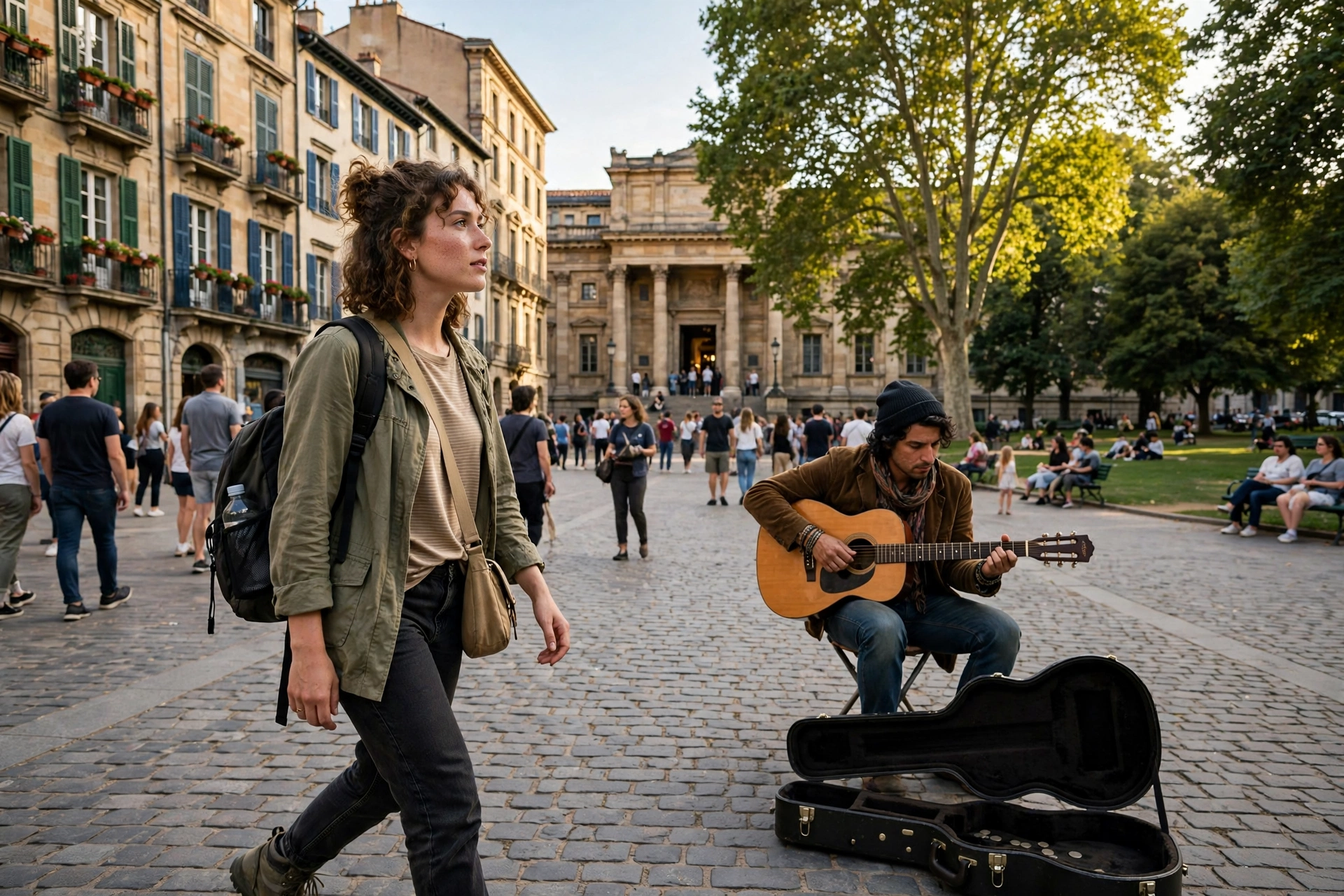
Some places draw visitors once. Others pull them back year after year, decade after decade. The places tourists return to again and again share a few things: they are easy to reach, they keep changing just enough to reward a second visit, and they deliver something no photograph quite captures. Here is a look at the series of places that are regularly visited by tourists around the world — and why they keep earning repeat trips.
Paris, France: The City That Rewards Returning
Paris is the most-visited city on earth for a reason, and it is also one of the most revisited. First-timers come for the Eiffel Tower and the Louvre; return visitors come for the neighbourhoods — the markets of the Marais, the cafes of Saint-Germain, the canal-side walks of the 10th arrondissement. The city changes with the seasons and with each new exhibition, restaurant, and restoration, so a second or third visit feels different from the first. Spring and autumn offer the best balance of weather and crowds.
Rome, Italy: Layers You Cannot Finish in One Trip
Rome’s appeal is that it is several cities stacked on top of each other: ancient ruins, Renaissance churches, Baroque piazzas, and a living, noisy modern capital. The Colosseum and the Vatican draw the crowds, but repeat visitors spend their time in Trastevere’s lanes, the Testaccio food markets, and the quieter archaeological sites like Ostia Antica. Two or three days only scratches the surface, which is exactly why people come back.
Tokyo, Japan: A City That Reinvents Itself
Tokyo manages to feel both familiar and new on every visit. The shrines of Asakusa and the gardens of the Imperial Palace sit alongside neighbourhoods that change fast — Harajuku fashion, Shimokitazawa’s vintage shops, the ever-evolving food scene. Cherry-blossom season in spring and the autumn colours in November are the two great windows, but the city works in any season. If you like the idea of a city that rewards repeat visits, our round-up of the top 15 places to visit in the world covers more destinations in the same spirit.
New York City, USA: The Repeat-Visit Capital
New York is the classic repeat destination: no one sees it in one trip, and the city is constantly adding new museums, shows, neighbourhoods, and viewpoints. First visits tend to focus on Manhattan’s icons — Central Park, Times Square, the Statue of Liberty. Return trips drift outward to Brooklyn’s food markets, Queens’ restaurant rows, and the High Line’s changing art. The city is at its best in late spring and early autumn, when walking is comfortable.
Barcelona, Spain: Food, Architecture and the Sea
Barcelona keeps visitors coming back for the combination of Gaudí’s architecture, a walkable old town, and a food culture that rewards wandering. The Sagrada Família and Park Güell are the headline sights, but the city’s real pull is the daily rhythm: morning markets, long lunches, and evening strolls along the beachfront. Late spring and early autumn avoid both the summer crowds and the winter chill.
Yellowstone and Banff: Nature That Changes Every Season
Not all regularly visited places are cities. Yellowstone in the United States and Banff in Canada draw millions of visitors a year, and many return to see the same landscapes in a different season — geysers in the snow, wildflowers in June, elk in the autumn rut. Both parks reward slow travel: give them several days, stay inside or near the park if you can, and plan around the short summer season, when roads and lodges are fully open.
Why Do People Keep Going Back?
Repeat visits are rarely about ticking off a sight. People return for familiarity — a favourite cafe, a hotel they trust, a neighbourhood that feels like a second home — and for the feeling that the place still has more to give. Big cities keep adding reasons to return; national parks change with the seasons; food and festival calendars give each visit a different flavour. Accessibility matters too: places with good airports, reliable public transport, and a range of accommodation make a second trip easy to plan.
How to Enjoy Popular Places Without the Crowds
Visit in the shoulder seasons — April to June and September to October for most of the places above — when the weather is still good and the queues are shorter. Book the big sights for the first or last slot of the day, stay in a residential neighbourhood rather than the tourist centre, and leave one day unplanned for wandering. The places on this list are popular for good reasons; the trick is to experience them on your own terms rather than following the crowd’s timetable.
Traveling Responsibly in Popular Places
Places that are regularly visited face real pressure: crowded streets, rising prices for locals, and wear on historic sites and trails. Small choices help — travelling outside peak season, staying in locally owned accommodation, eating in neighbourhood restaurants, and respecting rules at fragile sites. Supporting local businesses keeps these destinations welcoming for future visitors, including the ones who will return for their second or third trip.
FAQ
What are the main attractions in places tourists visit regularly?
Iconic cities like Paris, Rome, Tokyo, New York, and Barcelona, plus national parks such as Yellowstone and Banff, top the list of places people return to again and again.
When is the best time to visit popular destinations?
Spring and autumn offer mild weather and smaller crowds for most of these places. Book major sights early and avoid peak summer where possible.
Are regularly visited places suitable for families?
Yes — most of them have family-friendly parks, museums, and activities. The key is planning around crowds and keeping days flexible.
Final Thoughts
The places tourists visit again and again earned that loyalty the hard way: they offer more than a single sight, they change enough to reward a return, and they are easy to love at a slow pace. Pick one, go in the shoulder season, and leave room for the unplanned — that is usually the part you remember.