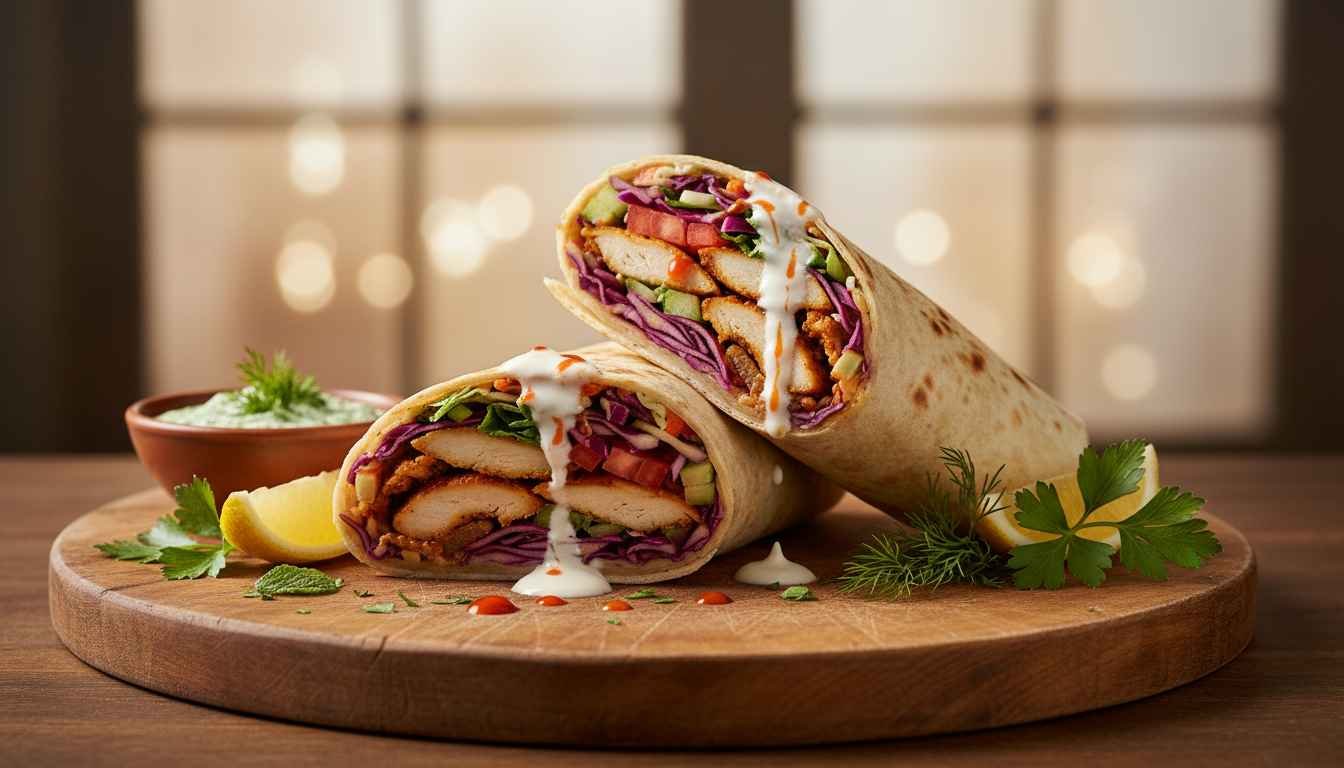
This is not a magic pill, but the story of shawarma is one that intertwines tradition, flavor, and nutritional curiosity. From its roots in the Levant to the bustling streets of New York and London, shawarma has traveled far, seducing palates and raising questions about its place in a healthy diet.
Historically, shawarma emerged as a practical solution for communities needing quick, flavorful, and affordable meals. Meat slices were marinated, stacked on a vertical rotisserie, and cooked slowly, capturing juices and spices in a symphony of flavor. The method itself was ingenious, allowing the meat to retain proteins and essential nutrients, while the addition of vegetables offered fiber, vitamins, and a natural balance.
As shawarma crossed borders, its form evolved. Fast-food chains began wrapping it in pita or flatbreads, adding creamy sauces, pickles, and fried accompaniments. While this adaptation made it globally beloved, it also introduced higher levels of sodium, saturated fats, and calories. Understanding this evolution helps answer the question: is shawarma healthy food? The answer, as with most culinary delights, depends on preparation and moderation.
The 1990s: Shawarma Meets Modern Nutrition
In the early 1990s, nutritionists began examining the caloric density of street foods worldwide. Shawarma, once a simple roasted meat and vegetable wrap, became a subject of study. A case study in Beirut highlighted how traditional chicken shawarma, when paired with fresh vegetables and yogurt-based sauces, could provide a balanced meal: high in protein, moderate in healthy fats, and packed with micronutrients. However, this same study warned that adding extra oils or fried sides could tip the balance toward unhealthy territory.
2000s: Globalization and Adaptation
As shawarma spread internationally, chefs experimented with beef, lamb, and plant-based alternatives. This era also saw a rise in wraps with sauces high in sugar and sodium, which compromised nutritional integrity. For health-conscious diners, the key became customizing their shawarma: opting for lean meats, grilled vegetables, and limiting heavy sauces. This balance illustrates that shawarma itself is not inherently unhealthy – it is the choices layered onto it that define its nutritional value.
Common Mistakes
⚠️ Beware: Overloading shawarma with fried potatoes, creamy sauces, or extra cheese can transform a protein-rich meal into a calorie-heavy trap. Opt for fresh vegetables, moderate sauces, and lean protein for the healthiest experience.
2010s: Shawarma as a Lifestyle Meal
By the 2010s, shawarma had become a staple for fast-casual dining, often marketed alongside fitness trends and clean eating. Fitness enthusiasts embraced grilled chicken or turkey shawarma as a convenient protein source. Nutrition apps began highlighting macros for popular shawarma dishes, allowing diners to track calories, fats, and sodium more carefully. This trend demonstrated that when consumed mindfully, shawarma could complement a balanced diet.
Who Should Avoid This? Potential Drawbacks
Despite its benefits, shawarma may not suit everyone. Those with high blood pressure should monitor sodium intake, particularly from pickles and sauces. Individuals with cholesterol concerns may prefer lean meats over lamb or beef. Additionally, shawarma from certain fast-food vendors can contain preservatives and additives that might be problematic for sensitive individuals. Awareness of ingredients and portion size is key to avoiding unintended health risks.
2020s: Mindful Eating and Shawarma Innovation
In the current decade, chefs and food enthusiasts focus on mindful eating. Shawarma can be part of a health-conscious lifestyle when prepared with fresh ingredients, minimal oils, and balanced portions. Plant-based shawarma, featuring marinated tofu or seitan, has emerged as a nutritious alternative, proving that the essence of shawarma – marinated, flavorful, and satisfying – can adapt to modern dietary goals without compromising taste.
Ultimately, shawarma invites reflection on how we eat, what we value in food, and how culinary traditions evolve. It is neither inherently good nor bad; its healthfulness depends on mindful preparation, ingredient choices, and portion control. Appreciating this timeline allows us to savor shawarma with awareness and enjoyment, turning each bite into a thoughtful experience rather than a guilty pleasure.
About the Author