
Ever wondered what happens when a horse needs medical attention and the hospital staff has to step in? Picture this: an exhausted horse, a concerned owner, and an array of medical tools. Among the collection of life-saving devices, one item stands out – the horse hospital plate. But don’t let the name fool you; it’s not your average dinnerware. It’s an unsung hero in the world of equine medicine that you never knew you needed to learn about. Brace yourself for a look behind the curtain of one of the most peculiar yet essential tools in a horse hospital.
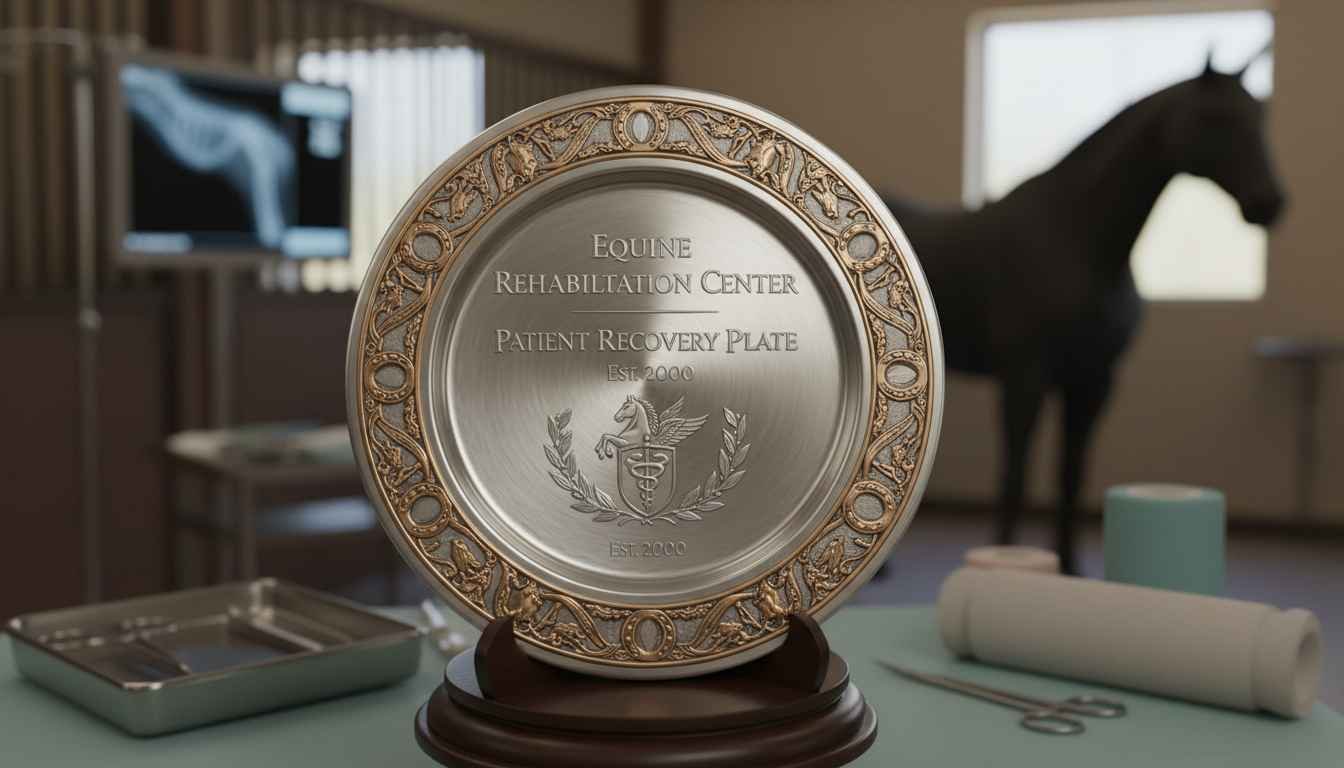
The Unlikely Hero of the Horse Hospital: What Exactly is a Horse Hospital Plate?
Let’s cut to the chase. A horse hospital plate isn’t some fancy dish served at an equestrian-themed gala (though that would be a hilarious twist). Instead, it’s a specialized medical plate used in veterinary surgery to assist in the treatment of fractures or bone injuries in horses. It’s made of durable materials designed to bear the weight and intensity of a horse’s massive frame, while also being versatile enough to accommodate the delicate nature of bone healing. Think of it as a combination of a precision surgical tool and a bit of heavy-duty engineering. It’s not your grandma’s china; this is a piece of equipment designed to save lives.
Despite its rather mundane name, the horse hospital plate has a rather dramatic history. These devices have long been part of equine surgery, helping veterinary surgeons treat fractured legs, injured hooves, and even broken ribs. While it’s not something you’d find in a typical first-aid kit, it’s certainly a staple in any horse hospital, especially those handling racehorses, show jumpers, or other high-performance equines.
Before you dismiss it as something only for horses of royal blood or high-profile pedigree, let’s dive into the nitty-gritty of why the horse hospital plate is not just for the wealthy owners of horses, but essential for any serious equestrian establishment. Whether you own a quiet stable on a sprawling farm or manage a racing yard, this tool has probably crossed your path – or will soon enough.
How It Works: The Mechanics Behind the Magic
Let’s get technical for a moment. The horse hospital plate serves as an orthopedic device used primarily to stabilize and support the bones while they heal. It’s essentially a metallic structure that acts like a cast – but a very sophisticated one. Unlike human casts, which often rely on plaster and simple bandages, a horse hospital plate can handle significantly more stress, thanks to its robust and often custom-engineered design. The plate can be fitted directly over a fractured bone, secured with screws or pins, and kept in place until the bone begins to heal.
The key feature of the horse hospital plate is its strength. Horses are not only large animals; they’re also incredibly active. So, the last thing a veterinarian needs is a plate that bends under pressure or one that’s prone to breaking under strain. This plate must withstand the stresses of constant movement while ensuring that the fracture site stays properly aligned. It’s a fine line between immobility and mobility, and that’s where these plates shine.
Did You Know?
Fact: The horse hospital plate is not a one-size-fits-all solution. Due to the varying sizes and types of fractures, these plates are often custom-made to fit the specific anatomy of the horse and the nature of the injury.
The Role of Innovation: How Modern Technology is Changing Horse Hospital Plates
As with everything in life, technology marches on – sometimes at a pace that makes our heads spin. This is especially true in the field of equine surgery, where technological advancements have turned the humble horse hospital plate from a simple metallic slab into a high-tech masterpiece. Advances in 3D printing, materials science, and surgical precision mean that today’s plates can be more finely tuned to each horse’s individual needs. This means fewer complications, faster healing times, and a more comfortable recovery for the horse.
What used to be a rather rigid and unyielding piece of medical equipment is now part of a broader, more sophisticated toolkit. For instance, 3D-printed plates can be customized to match the exact shape and size of the bone, reducing the risk of misalignment and promoting quicker recovery. This innovation could not have come at a better time, as horses, especially those in competitive sports, are facing more intense physical challenges than ever before. And with the stakes so high, ensuring that each fracture is treated with the utmost care is more important than ever.
Who Should Avoid This? Potential Drawbacks of Horse Hospital Plates
As much as we like to romanticize medical advancements, not every solution is perfect for every situation. There are some scenarios where a horse hospital plate might not be the ideal choice. For instance, horses with certain underlying health conditions, such as poor circulation or compromised immune systems, may not fare as well with the plate due to the risk of infection or poor bone healing. Additionally, the surgical process required to fit and secure the plate is invasive, and not all horses are good candidates for anesthesia or complex surgeries.
While these plates offer a great deal of versatility, they’re certainly not a one-size-fits-all miracle solution. Horses with soft tissue injuries, for instance, might require different treatments altogether, such as bandaging, hydrotherapy, or even laser therapy. So, before you rush to fit your horse with a hospital plate, it’s essential to consult with an experienced veterinarian who can assess the injury and recommend the best course of action.
An Illustrative Example: Recovery After a Serious Fracture
To bring all of this to life, consider an illustrative example: a racehorse suffers a severe leg fracture during a race, and the owner faces a difficult decision about treatment. After consulting an experienced equine surgeon, the horse is fitted with a customized hospital plate, designed to match the bone and secured with screws and pins. What follows is a slow period of rehabilitation and constant monitoring. Recovery is never guaranteed, and some horses never return to competition, but for suitable candidates the plate can be the difference between a managed recovery and a fracture that cannot heal in alignment.
In this kind of case, technology and expertise work together, but recovery is slow and demanding, requiring significant rehabilitation and constant monitoring. For many horses, the journey to recovery is just as important as the treatment itself.
Final Thoughts
A horse hospital plate is a quiet piece of engineering: it holds a broken bone steady long enough for healing to happen, in an animal that cannot be told to rest. It is not a miracle cure, and it is not right for every injury, but in the hands of an experienced veterinary surgeon it gives a seriously injured horse a real chance. If you share your life with animals of any size, choosing them well matters too – see this guide to finding trusted pet companions before bringing a new animal home.